


Special testing machine
Home page >> Product display >> Special testing machine >> Depth analytical material V-notch track shear test method
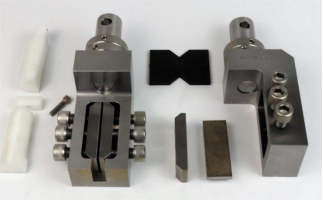
ASTM D7078 standard V-notch rail shear specimens are 3.0 inches long (same as standard Iosipescu specimens) but 2.20 inches wide (versus standard ASTM D5379 Iosipescu specimens 0.75 inches wider), so the gauge section between the notches is larger (1.20 inches wider compared to 0.45 inches wider for standard Iosipescu specimens).The specimen groove depth to width ratio is 0.227, similar to the 0.200 ratio of standard Iosipescu specimens, thus maintaining the geometry of the gage section.
(Reference standard: ASTM D7078-05is the American Society for Testing and Materials (ASTM)polymer matrix compositesThe full name of the established standard test method is "Standard Test Method for Shear Properties of Polymer Matrix Composite Materials by the V-Notch Rail Shear Method".
This standard clearly stipulates the test principle, specimen size, fixture design requirements, test procedures and data processing methods. It aims to use "orbital shearing" to form a uniform shear stress field on the specimen during the stress process, avoiding the interference of tensile or bending stress on the test results.
ExceptASTM D7078-05, the V-notch track shear test fixture is also compatible withASTM D5379Standard, the full name of the standard is "Standard Test Method for Shear Properties of Composite Materials by the Iosipescu Shear Test" (Iosipescu Shear Test to measure the shear properties of composite materials).
IosipescuThe shear test (also known as the "V-notch shear test") is a classic shear performance testing method. Its core advantage is that by processing V-shaped notches on both sides of the specimen, the stress is concentrated in the shear area between the notches, achieving a "pure shear" stress state, which effectively reduces the influence of additional stresses such as tension and bending.
The key reason why the V-notch orbital shear test fixture has become the first choice of many laboratories is that it strictly follows two major international mainstream standards and provides standardized solutions for shear testing of different materials.)
In the field of material mechanical property testing, shear performance is one of the key indicators to evaluate the reliability and applicability of materials. Especially for materials such as composite materials, plastics, and elastomers that are widely used in aerospace, automobile manufacturing, electronic packaging and other fields, accurate shear performance data is directly related to the safety and stability of product design.To achieve efficient and accurate shear performance testing, a test fixture that meets international standards and is suitable for a variety of materials is essential.
V-notch track shear test method
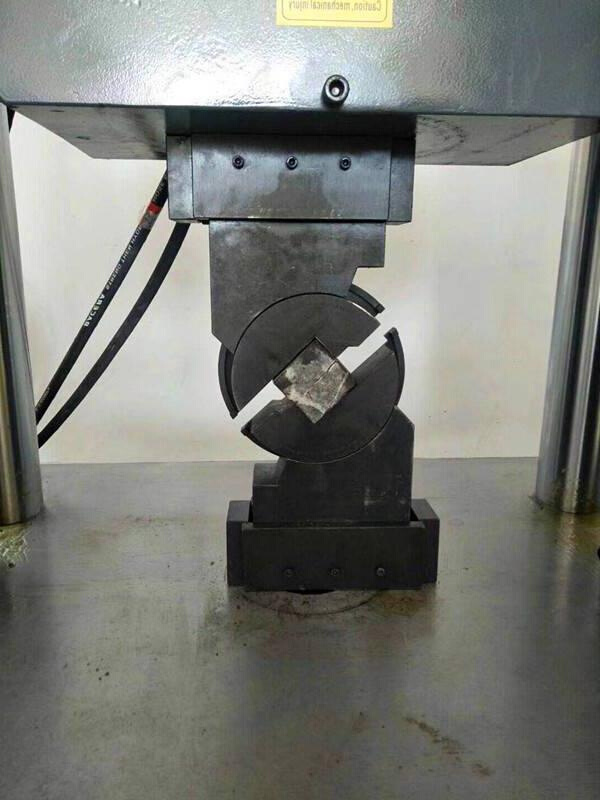
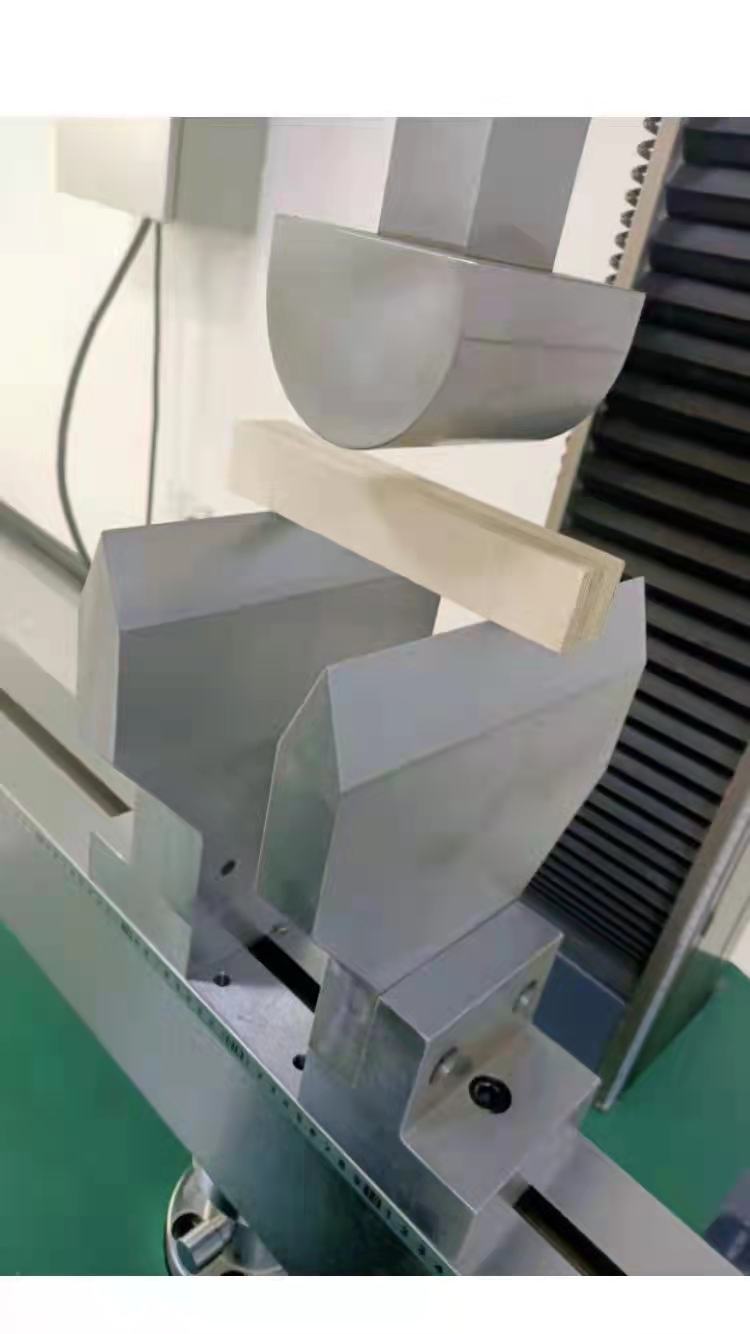
A 1.0-inch length along each end of the specimen is clamped by the test fixture.That is, the specimen is gripped at the notch, resulting in an ungripped area of 1.0 inches of the specimen being exposed between the grippers.Each half of the clamp has threaded holes for attachment to the testing machine.
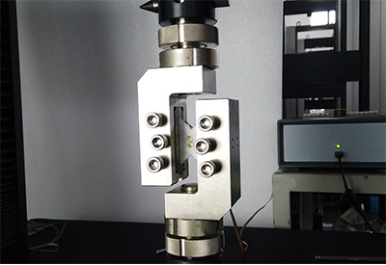
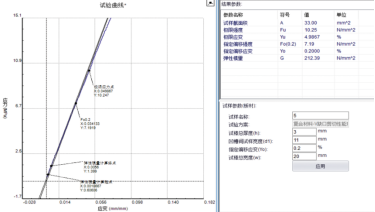
The V-notch orbital shear test uses larger specimens than the Iosipescu method, meaning that this method is suitable for laminates with larger and looser fiber layups.The shear stress of this method comes from the movement of the two test fixtures in the direction of the test axis.The test tooling required in the standard does not require a guide device like Iosipescu. A centering device must be used to accurately align the test tooling before the test.The test results include shear behavior, 0.2% shear stress, maximum shear stress and shear modulus (as shown below).
Whether it is high-performance testing of composite materials or routine performance evaluation of polymer materials, the V-notch orbital shear test fixture has become an indispensable testing tool in the laboratory with its advantages of "standardization, versatility, and accuracy".It not only provides solutions for material performance testing that comply with international standards, but also helps enterprises and scientific research institutions improve R&D efficiency, ensure product quality, and inject "testing power" into innovation and development in the field of materials.
Quickly Quotation